

Laboratory investigations into cellular signaling, soft tissue regeneration, and cytoprotective pathways expand across research centers throughout Great Britain. Scientific teams investigating stable gastric pentadecapeptide derivatives regularly require high-grade bpc-157 uk reference materials for controlled bioassays. Obtaining reproducible analytical measurements depends on procuring reference materials manufactured under strict quality standards, supported by independent laboratory verification.
Navigating available commercial channels requires systematic evaluation. Substandard reference samples containing synthesis impurities or sequence defects skew baseline experimental measurements, compromising bioassay findings. Experienced laboratory directors consistently choose suppliers offering full batch transparency, third-party analytical reports, and reliable thermal preservation during transit.
This technical guide outlines objective evaluation parameters for inspecting peptide sources across Great Britain, interpreting analytical testing reports, and securing fully documented reference compounds safely.
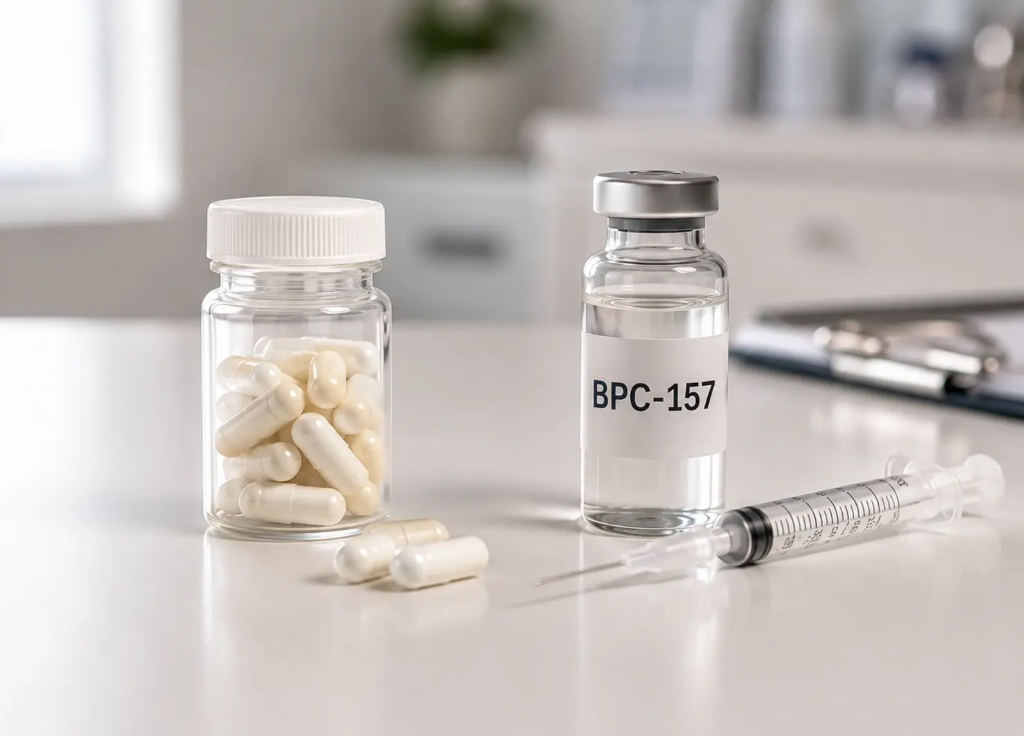
Structural Peptide Chemistry and Synthetic Pentadecapeptide Mechanisms
Body Protection Compound 157 represents a partial sequence of human gastric juice protein, comprising fifteen amino acid residues. Synthetic production constructs a stable peptide sequence resisting enzymatic breakdown in varied pH environments. Peer-reviewed literature cataloged in the NCBI Database documents how pentadecapeptide sequences interact with nitric oxide synthesis pathways, focal adhesion kinase activation, and vascular endothelial growth factor receptor expression.
Researchers study these chemical interactions to quantify cellular migration, tendon-to-bone healing kinetics, and microvascular network formation in vitro. Maintaining exact amino acid sequence alignment remains critical. Unintended truncated fragments introduced during solid-phase peptide synthesis alter receptor binding, generating inconsistent biological data.
Because synthetic amino acid chains degrade when exposed to elevated temperatures or moisture, controlled environment storage from synthesis to final research usage remains essential. Professional research operations mandate complete chain-of-custody tracking before placing reference compounds into active study protocols.
Key Technical Requirements for Selecting UK Research Peptide Sources
Selecting an authorized vendor demands analyzing explicit operational benchmarks. Investigators must verify chemical purity guarantees, testing methodologies, lot tracking procedures, and regional logistics efficiency. Top distribution outlets establish direct arrangements with accredited manufacturers such as Alluvi Healthcare to ensure structural uniformity across product lines.
When evaluating suppliers to source bpc-157 uk stock, prioritize vendors adhering strictly to these mandatory operational standards:
- Multi-Phase Analytical Testing: Every individual stock batch must undergo testing using reversed-phase HPLC and mass spectrometry.
- Lot-Specific Analytical Documentation: Published Certificates of Analysis must display exact batch numbers matching physical vial labels.
- Microbiological Purity Checks: Endotoxin assays must confirm complete absence of bacterial contaminants.
- Thermal Protection Controls: Lyophilised formulations require insulated shipping methods to prevent heat exposure during transit.
Distributors prioritizing operational openness publish complete analytical archives directly on product pages. Reviewing offerings through Evolve Labs UK provides research facilities direct access to verified reference compounds backed by batch tracking systems.
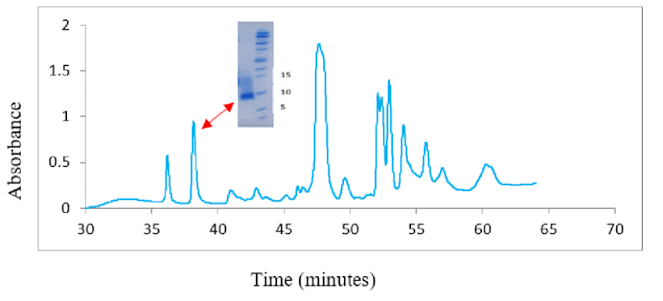
Understanding HPLC Chromatograms and Laboratory COA Reports
Reading laboratory verification records requires understanding standard chemical metrics. Genuine Certificates of Analysis specify testing parameters, column specifications, sample mass, and sharp peak retention times. Clinical research published in the New England Journal of Medicine reinforces how precise liquid chromatography combined with mass spectrometry provides structural identification across complex biomolecules.
Reversed-phase HPLC separates complex chemical mixtures, isolating target peptide sequences to quantify overall chemical purity. Premium suppliers guarantee ≥99% purity or ≥99.1% purity across all inventory lots. Purity measurements falling below these standards indicate residual synthesis chemicals, incomplete sequences, or excess moisture in the vial.
Strict batch traceability ensures physical package contents match published laboratory results. Cross-checking vial lot numbers against online testing records confirms chemical authenticity. Avoid sources providing unnumbered test sheets or withholding complete analytical reports.
Evaluating Format Standards: Reconstituted Liquids, Lyophilised Vials, and BPC-157 Capsules
Scientific protocols require choosing appropriate physical formats depending on specific assay requirements. In vitro cellular studies primarily utilize vacuum-sealed lyophilised powder vials reconstituted with sterile bacteriostatic water. Solid state freeze-dried powder preserves structural stability during long-term storage.
Certain comparative oral stability models evaluate oral solid dosage forms like bpc-157 capsules to measure peptide degradation across gastric fluid simulators. Determining accurate experimental parameters requires precise calculation of bpc-157 dosage concentrations within specialized cellular culture media.
Each format requires explicit manufacturing documentation detailing active molecular mass. Reliable distributors supply clear analytical datasheets for every presentation format, ensuring researchers calculate exact micromolar concentrations across experimental trials.
Comparing Cellular Repair Regimens Across Broad Research Portfolios
Modern laboratory programs frequently run parallel experiments comparing pentadecapeptide actions alongside complementary metabolic or tissue recovery vectors. Browsing our research product catalog enables scientific personnel to examine complete compound parameters before issuing purchase orders.
When study protocols mandate evaluating tissue regeneration alongside copper peptide complexes, research teams often combine pentadecapeptides with specialized formulations like Glow 70mg GHK-Cu. Investigators analyzing broader metabolic pathways alongside cell repair frequently choose multi-receptor agonists such as Retatrutide 20mg when planning to buy retatrutide research stocks.
Furthermore, dual receptor research designs often incorporate dual GLP-1/GIP reference compounds like Tirzepatide 20mg to evaluate cellular energy management under varying glucose concentrations.
Every product provided through authorized channels maintains complete batch-documented verification files. This standardized tracking guarantees absolute sample consistency whether conducting initial exploratory assays or scaling up multi-stage comparative trials.
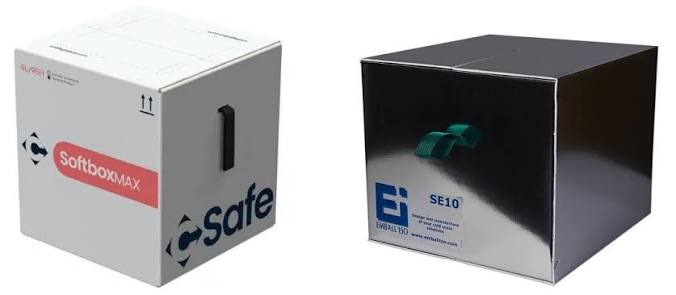
Cold-Chain Shipping Logistics and Domestic Handling Throughout Great Britain
Preserving structural integrity in delicate peptide chains demands strict climate management throughout packaging and transportation. Environmental heat exposure, direct sunlight, or physical shaking during transport causes irreversible peptide bond degradation. Quality UK suppliers implement cold-chain shipped logistics featuring thermal insulation and temperature-monitored cooling packs.
Regulatory guidelines set by global organizations including the European Medicines Agency emphasize maintaining strict cold-chain protocols during shipping of biological reagents. Domestic UK distribution avoids international border customs clearance delays, eliminating extreme temperature spikes inside transit hubs.
Selecting a domestic UK distributor yields distinct operational benefits:
- Elimination of international border delays and customs hold times.
- Availability of guaranteed next-day domestic UK courier delivery services.
- Continuous thermal protection using insulated packaging inserts and ice packs.
- Discreet, durable outer packaging protecting vials from mechanical shock and light exposure.
Recommended Procurement Protocol and Quality Verification Process
Establishing a reliable supply chain for laboratory reference compounds requires an organized procurement workflow. Researchers can verify distributor credentials and quality control standards on our about Evolve Labs page to inspect sourcing agreements and laboratory verification protocols.
When preparing to purchase research peptide stock, follow these structured verification steps:
- Review active lot numbers and inspect corresponding independent HPLC test reports.
- Select exact compound quantities required for upcoming laboratory protocols.
- Choose cold-chain dispatch options to guarantee thermal management during transit.
- Complete order payment through encrypted, secure checkout processing systems.
- Submit handling questions directly to technical support personnel through our contact form link prior to sample preparation.
Adhering strictly to these quality assurance steps preserves scientific accuracy, protects bioassay validity, and secures premium research compounds efficiently.