

Scientific investigators working across laboratories in Great Britain require exact chemical baseline integrity when examining synthetic multi-agonist peptide structures. Triple-action metabolic agents targeting glucose-dependent insulinotropic polypeptide, glucagon-like peptide-1, and glucagon receptors represent critical focus areas in modern metabolic research. Establishing absolute chemical purity enables research teams to measure receptor binding affinities without interference from synthesis byproducts.
Procuring batch-tested reagents through an authorized distributor network gives laboratories verified analytical documentation for every lot. Investigators obtaining reference materials through the primary UK supplier portal depend on direct manufacturer documentation, stringent batch verification, and thermal protection during transit to preserve sensitive molecular structures throughout complex testing protocols.

Triple Agonist Mechanics and Molecular Sequence Assembly
Synthesizing retatrutide alluvi reagents requires automated solid-phase peptide synthesis platforms operating under sterile parameters. The engineered molecular structure connects thirty-nine amino acids into a precise sequence featuring a specialized lipophilic side chain. This custom C20 fatty diacid diacid moiety extends plasma stability during cellular degradation studies while facilitating multi-receptor binding interactions simultaneously.
Preclinical evaluation relies heavily on structural uniformity across experimental test groups. Unverified chemical contaminants distort cellular signal transduction, generating false binding readouts during high-throughput screening procedures. Choosing authentic formulations originating from alluvi retatrutide manufacturing facilities ensures consistent coupling efficiency across every production run.
Maintaining sequence assembly shields delicate peptide bonds against unexpected enzymatic cleavage during solution preparation. Scientific teams measuring metabolic pathway signaling demand reliable baseline parameters, allowing valid comparative assessments between diverse multi-agonist chemical structures.
Rigorous Quality Control: Reversed-Phase HPLC and LC-MS Protocols
Evaluating chemical purity requires comprehensive analytical screening performed by independent testing centers. Valid research materials undergo rigorous testing protocols to confirm sequence identity and measure purity ratios before distribution into laboratory supply networks. Sourcing high-grade material involves examining lot-specific Certificates of Analysis for each production lot.
Reversed-phase High-Performance Liquid Chromatography serves as the premier analytical standard for determining relative chemical purity. HPLC separation columns isolate target peptide sequences from optical isomers, deletion fragments, and residual synthesis reagents. A single analytical peak on the chromatogram demonstrates compound purity reaching or exceeding 99% purity thresholds.
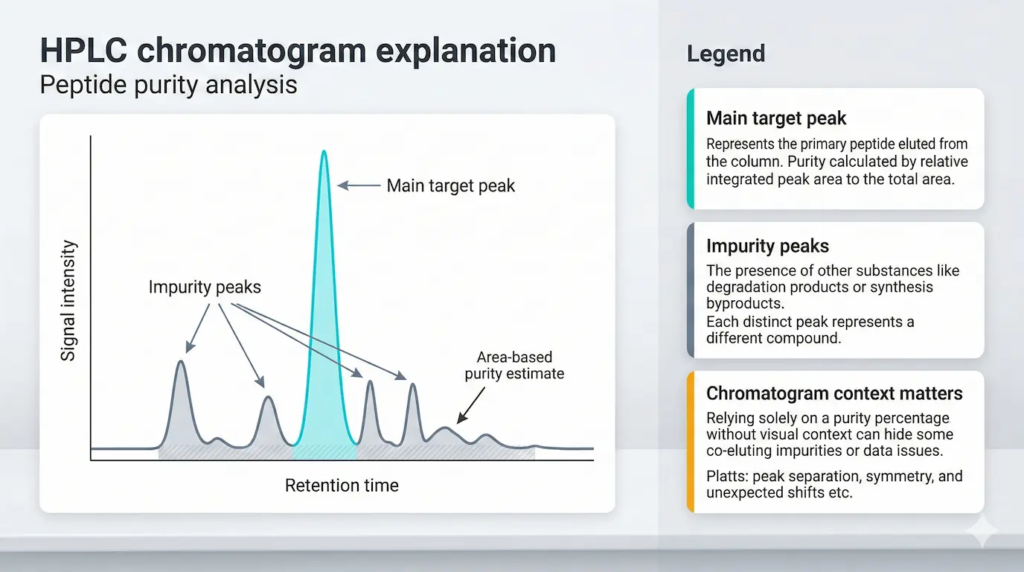
Mass spectrometry complements liquid chromatography by confirming exact molecular weight values. Liquid Chromatography-Mass Spectrometry analysis checks observed mass-to-charge ratios against theoretical chemical formulas, ensuring complete sequence confirmation. Concurrently, Limulus Amebocyte Lysate assays measure bacterial endotoxins, guaranteeing endotoxin levels remain far below critical safety limits for sensitive cell cultures.
Evaluating Concentration Options and Research Formulations
Preclinical investigators selecting experimental reagents evaluate standardized concentration formats to streamline solution preparation routines. Standard formulations like the Retatrutide 20mg format offer convenient concentration levels for standard laboratory assays. High-throughput testing programs requiring expanded working volumes frequently select the pre-dosed alluvi retatrutide 40mg pen format to maintain consistent volume delivery across extended study series.
Comparing various metabolic sequences aids research directors in designing comprehensive comparative trials. Scientific teams measuring dual-agonist signaling alongside triple-agonist profiles regularly review options like the Tirzepatide 40mg pen format to establish parallel trial arms. Exploring diverse compound choices across our full products catalog assists laboratory managers in matching physical material formats with specific experimental designs.
Deciding to buy retatrutide material through verified supply channels protects project budgets against contamination costs. Unverified chemicals lacking accredited analytical reports risk introducing unknown variables, ultimately wasting valuable research time and institutional funding.
Cold-Chain Transport Logistics and Thermal Stability Guidelines
Preserving fragile molecular structures requires strict environmental temperature management from initial synthesis through final delivery. Lyophilised freeze-dried powders display short-term thermal resistance during rapid transit, but long-term preservation demands temperature-controlled refrigeration between 2 and 8 degrees Celsius or deep freezing at minus 20 degrees Celsius.
Expedited cold-chain shipping workflows shield sensitive peptide structures against ambient temperature fluctuations. Thermal insulated packaging combined with specialized cooling packs prevents heat degradation, ensuring chemical orders reach receiving facilities in prime structural condition.
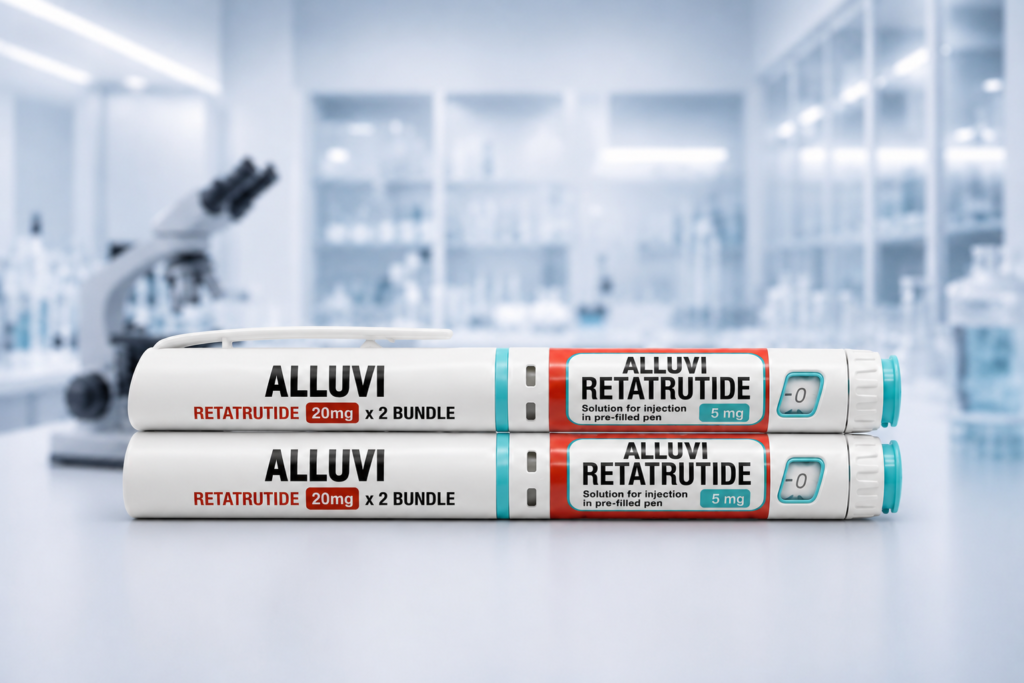
Fast next-day delivery options eliminate transit delays, allowing laboratory personnel to maintain strict study schedules without compromising compound stability through extended transport exposure.
Regulatory Boundaries and Laboratory Handling Protocols
All peptide compounds distributed through verified channels remain strictly designated for laboratory research use only. These specialized chemical reagents serve exclusively in-vitro research, analytical testing, and preclinical trial designs. Research chemicals supplied under these classifications are explicitly not for human consumption, medical diagnosis, or therapeutic applications.
Regulatory frameworks maintained by official organizations like the European Medicines Agency establish clear boundaries separating experimental research chemicals from approved clinical formulations. Researchers reviewing published clinical outcomes on public databases such as the NCBI PubMed database or major medical publications including the New England Journal of Medicine gain valuable context regarding compound stability, binding affinities, and degradation kinetics under diverse experimental conditions.
Compliant laboratory protocols require storing unreconstituted vials inside dedicated refrigeration units while protecting solutions from direct ultraviolet light exposure or physical agitation during mixing routines.
Technical Verification Services and Authorized Supply Operations
Securing fully batch-documented research compounds requires total supply chain transparency. Evolve Labs UK maintains lot-specific Certificates of Analysis for distributed shipments, linking assigned batch numbers directly to accredited third-party analytical reports.
Institutional researchers seeking technical documentation, volume pricing schedules, or lot verification records communicate directly with technical support specialists through our Contact Us page. Partnering with transparent UK distributors ensures laboratory projects proceed with complete certainty regarding chemical purity and batch traceability.