

Laboratory investigators across Great Britain demand strict chemical integrity when analyzing synthetic peptides. Body Protection Compound 157, widely designated as BPC-157, represents a pentadecapeptide composed of 15 amino acids derived from human gastric juice proteins. Research environments test this sequence to observe cellular migration, angiogenesis pathways, and tissue repair mechanisms in preclinical models.
While classic research protocols frequently utilize lyophilised powder formulations requiring reconstitution, solid oral formats present unique parameters for analytical testing. Selecting high-grade bpc-157 capsules allows research teams to study oral administration kinetics without liquid compounding variables. Scientific facilities sourcing compounds from a verified UK supplier prioritize analytical transparency, batch documentation, and verified laboratory reports above marketing claims.
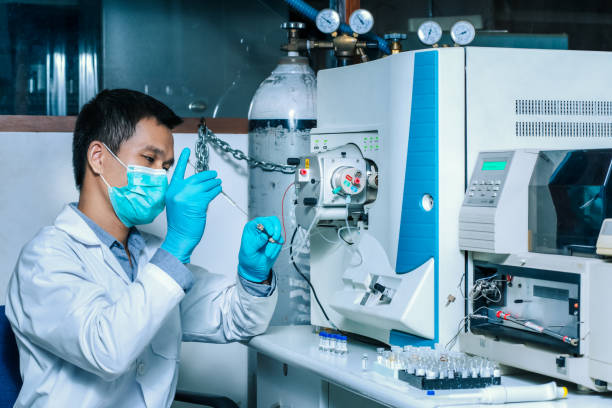
Chemical Structure and Synthesis Standards for Oral Peptides
The molecular structure of BPC-157 features the specific amino acid sequence Gly-Glu-Pro-Pro-Pro-Gly-Lys-Pro-Ala-Asp-Asp-Ala-Gly-Leu-Val. Synthetic production requires solid-phase peptide synthesis to string these amino acids together in exact sequence order. When formulators encapsulate this compound, maintaining peptide chain stability remains the principal technical priority.
Standard peptide chains break down rapidly in acidic environments. Oral research formulations often incorporate arginine salts, forming stable BPC-157 arginine salt complexes. This specific chemical arrangement resists enzymatic degradation within simulated gastric fluids, maintaining structural integrity across varying pH ranges. Researchers studying gastrointestinal epithelial cell cultures rely on this stability to measure precise receptor interaction without immediate enzymatic cleavage.
Researchers comparing oral compound stability against liquid formulations often analyze parallel peptide chains across various laboratory studies. For instance, teams conducting comprehensive metabolic studies frequently inspect liquid research formats alongside oral formats when reviewing specialized catalog offerings like buy retatrutide or multi-peptide research compounds.
Analytical Purity Protocols: HPLC and Mass Spectrometry
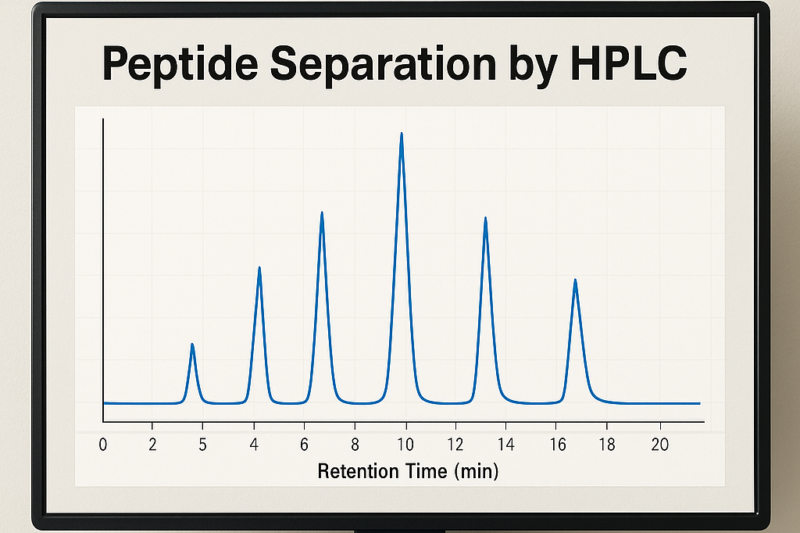
Rigorous quality control sets legitimate research reagents apart from untested chemicals. Every production batch of bpc-157 capsules must undergo comprehensive analytical screening before release to scientific facilities. High-Performance Liquid Chromatography, commonly known as HPLC, serves as the primary standard for determining compound purity levels.
Reversed-phase HPLC separates the target peptide sequence from residual sequence fragments, optical isomers, or manufacturing byproducts. A clear analytical chromatogram displays a prominent single peak representing the pure pentadecapeptide. Qualified suppliers guarantee minimum purity thresholds reaching at least 99% purity or higher. Independent testing reports from UKAS accredited facilities verify these metrics with precise mathematical readouts
In addition to HPLC testing, mass spectrometry provides definitive mass-to-charge ratios to confirm exact molecular weight. Liquid Chromatography-Mass Spectrometry combines separation with mass detection, proving that the sample contains the exact molecular weight of 1419.5 Daltons corresponding to BPC-157. Further biological safety screens test for bacterial endotoxins using Limulus Amebocyte Lysate assays, ensuring total endotoxin levels remain well below critical threshold limits for cell culture safety.
Key Research Domains and Preclinical Evidence
Preclinical studies documented in international databases like the NCBI PubMed database showcase extensive investigation into BPC-157 biological pathways. Investigators study how this peptide influences growth factor expression, particularly vascular endothelial growth factor receptor 2. Through these signal pathways, researchers monitor endothelial cell proliferation and capillary tube formation in vitro.
Primary focus areas in published preclinical literature include:
- Tendon and ligament fibroblastic migration during wound healing assays
- Gastric mucosal protection mechanisms under chemically induced stress
- Nitric oxide synthase expression during smooth muscle relaxation testing
- Organ protection pathways across animal tissue culture models
Because oral forms target gastrointestinal tissue interfaces directly, solid encapsulated formulations allow researchers to evaluate localized mucosal tissue responses. Understanding these tissue interactions assists researchers in designing precise experimental trials while maintaining consistent chemical concentration throughout testing cycles.
Determining Experimental Variables and Quantification Protocols
Accurate experimental design requires systematic calculation of compound concentrations. When establishing trial parameters for research protocols involving bpc-157 uk studies, research staff evaluate precise milligram values per unit. Standard research preparations contain specified active peptide concentrations, ranging from 200 micrograms to 500 micrograms per capsule.
Setting up baseline operational guidelines requires accurate measurement tools. Lab technicians often consult a precise bpc-157 dosage calculator framework to adjust concentration variables based on subject model weight, tissue culture volume, or exposure duration. Establishing uniform quantitative metrics prevents statistical anomalies across multi-week observation periods.
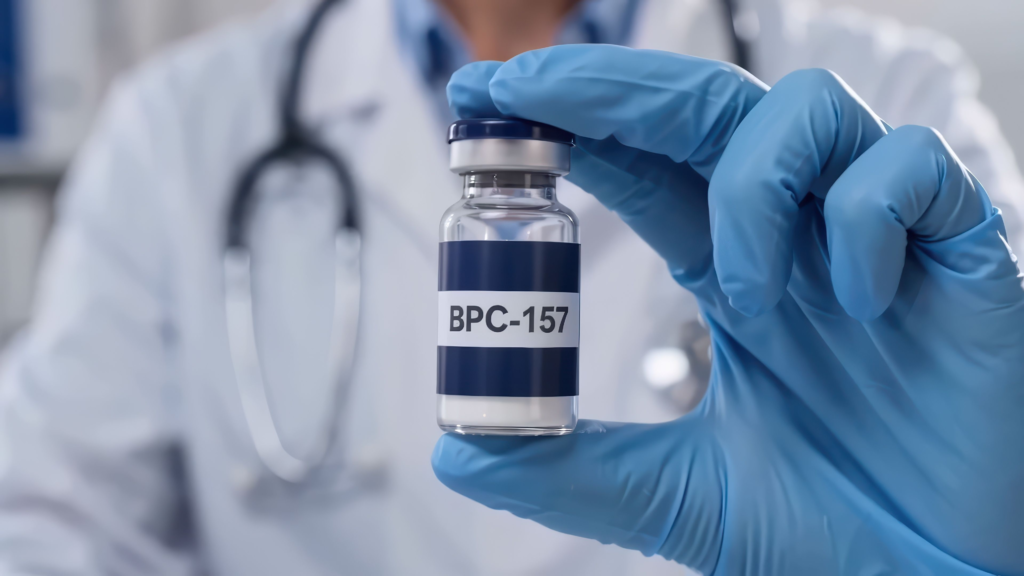
Researchers managing diverse peptide portfolios often compare oral stability profiles with other specialized research items available in our products catalog. Ensuring consistent protocol documentation ensures that every trial yields reproducible, statistically valid laboratory data.
Sourcing Verified Research Compounds in the UK
Procuring reliable research reagents demands thorough evaluation of supplier verification processes. Evolve Labs UK operates with rigorous batch traceability protocols, issuing a lot-specific Certificate of Analysis for every manufactured batch. Each lot number printed on compound packaging matches direct analytical records from independent laboratory testing facilities.
To preserve chemical integrity against temperature fluctuations, cold-chain shipping standards protect sensitive peptide structures during transit. Temperature-controlled packaging prevents thermal denaturation, guaranteeing that material arrives at destination facilities in optimal structural condition. UK researchers benefit from reliable next-day delivery options, minimizing project downtime and preserving strict timeline schedules.
Institutions seeking information regarding batch quality assurances, bulk institutional orders, or analytical test results can contact technical support specialists directly through the Contact Us page. Working with transparent, verified distributors guarantees that laboratory investigations proceed without chemical purity uncertainties.
Establishing Strict Compliance and Handling Guidelines
All peptide products supplied by authorized UK distributors are strictly designated for research use only. These materials are explicit scientific reagents intended strictly for in-vitro experiments, laboratory analysis, and preclinical research trials. Chemical compounds sold under research classifications are not for human consumption, medical diagnosis, or therapeutic use.
Compliance guidelines established by regulatory bodies such as the European Medicines Agency define clear boundaries between approved pharmaceutical products and experimental research chemicals. Scientific facilities purchasing research reagents must maintain compliant storage conditions, including controlled humidity, light protection, and designated storage refrigeration units.
By upholding rigorous analytical standards, verified batch documentation, and cold-chain logistics, research facilities can advance their scientific investigations with total confidence in their chemical inputs.