
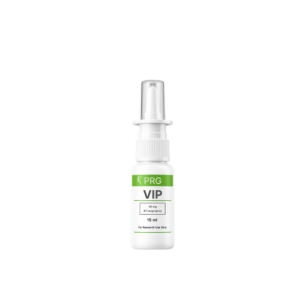
VIP N4: What UK Researchers Need to Know Before Ordering
Vasoactive intestinal peptide (VIP) is one of the most widely studied neuropeptides in laboratory science. Researchers working on cell signalling, receptor pharmacology and neuroimmune models regularly need reliable, well-documented material. That demand has led many people to search for VIP N4 for sale from suppliers who can prove quality rather than just claim it.
This guide explains what VIP is, what to look for in a supplier, and how to judge any listing before you order.
Important: VIP N4 is supplied for laboratory research use only. It is not a medicine, supplement or food, and it is not intended for human or veterinary use.
What Is VIP (Vasoactive Intestinal Peptide)?
VIP is a naturally occurring peptide of 28 amino acids. It was first isolated in the early 1970s and is found in the nervous system, gut and other tissues. In the scientific literature it is discussed in connection with:
- Neuropeptide signalling and receptor binding (VPAC1 and VPAC2)
- Immune and inflammatory pathway models
- Smooth muscle and vascular research
- Circadian biology studies
Academic groups, including those in UK universities such as Oxford’s Nuffield Department of Medicine, publish work involving VIP and related pathways. The peptide also has a formal entry in the MeSH (Medical Subject Headings) vocabulary, which helps researchers find and cross-reference studies consistently. Reading primary literature before choosing a compound or design is good practice, and it is also a trust signal on any product page.
Why Supplier Quality Matters More Than Price
Peptides are sensitive. A poorly synthesised or badly stored batch can produce unreliable results and waste weeks of work. When you compare suppliers, look past the headline price and check the following.
1. Independent Certificate of Analysis (COA)
A credible supplier publishes batch-specific COAs, ideally from a third-party lab. Look for HPLC purity, mass spectrometry confirmation of molecular weight, and a batch or lot number that matches your vial.
2. Purity Standards
Research-grade peptides are commonly offered at 98% purity or higher. Be cautious of listings that state a purity figure with no supporting documentation.
3. Clear Product Specifications
Good listings state the amount per vial (for example 5mg), the form (lyophilised powder), the CAS number where applicable, and the storage conditions. Competitor pages such as OP Labs’ 5mg VIP listing show how much detail buyers now expect: strength, format and research-use wording in plain view.
4. Transparent Research-Use Labelling
Reputable UK suppliers label products “for research use only” and avoid health claims, dosing advice or human-use instructions. If a seller promotes a research peptide as a treatment, treat that as a serious red flag. Under UK rules, marketing an unlicensed product for human use can breach medicines law.
How to Buy VIP N4 Online Safely
If you plan to buy VIP N4 online, follow this checklist:
- Verify the business. Look for a registered UK company name, a physical address and working contact details.
- Request the COA before you pay. A supplier that hesitates is not one to trust.
- Check the packaging standards. Sealed, labelled vials with batch numbers are the baseline.
- Read the returns and shipping policy. Cold-chain awareness and tracked delivery matter for peptides.
- Confirm secure payment. Use an encrypted checkout and be wary of unusual payment methods.
- Look for independent reviews. Search beyond the supplier’s own site.
Ordering VIP N4 online from a UK-based supplier also reduces the risk of customs delays, which can compromise product stability.
VIP N4 in the UK: Legal and Practical Considerations
Buying VIP N4 in UK markets is subject to a few practical realities. Research peptides sold for laboratory purposes are generally handled as research chemicals, and suppliers must not present them as medicinal products. Buyers should:
- Use the material only in appropriate laboratory or institutional settings
- Keep purchase records and COAs for your own compliance
- Avoid suppliers who make therapeutic claims
- Check current MHRA guidance if you are unsure about a product’s status
This page is general information, not legal advice. If your work is institutional, follow your organisation’s procurement and safety policies.
Storage and Handling Basics
Lyophilised peptides are usually stable when stored cold, dry and away from light. General best practice includes:
- Store unopened vials in a freezer or refrigerator as the COA or label specifies
- Avoid repeated freeze-thaw cycles after reconstitution
- Use sterile technique and appropriate laboratory solvents
- Label reconstituted aliquots with date and batch number
Always follow the supplier’s data sheet and your lab’s protocols. Good suppliers provide these details on the product page.
Comparing Suppliers: What Separates the Good from the Rest
| Factor | Trustworthy supplier | Warning signs |
|---|---|---|
| Testing | Batch-specific third-party COA | No documentation or generic PDFs |
| Labelling | “For research use only” | Health or dosing claims |
| Product detail | Strength, format, storage listed | Vague descriptions |
| Contact | UK address and support | Anonymous or no contact |
| Shipping | Tracked, temperature-aware | No policy stated |
Finding VIP N4 Near Me: Online vs Local
Many researchers search for VIP N4 near me hoping to collect in person. In practice, research peptides are rarely stocked in high-street shops. Reputable UK suppliers work through online stores with tracked next-day or 48-hour delivery, which often beats local sourcing on both documentation and freshness. If a local seller does exist, apply the same checks: COA, batch number and research-only labelling.
Frequently Asked Questions
Is VIP N4 for sale the same as VIP 5mg?
Product naming varies between suppliers. Always compare the amino acid sequence, purity, and COA rather than relying on the name alone.
Can I use VIP N4 for personal use?
No. It is sold strictly for laboratory research and is not approved for human consumption.
What documents should come with my order?
A batch-specific COA, product label with lot number, and storage guidance.
How do I know if a supplier is legitimate?
Check company registration, independent reviews, published test results and clear research-use wording.
Final Thoughts
Whether you are comparing listings, reviewing literature or planning a study, quality and transparency should guide every decision. Look for verified testing, honest labelling and clear UK delivery information. Suppliers who publish that evidence make the decision easy, because you can see exactly what you are getting.
Ready to order? Choose a supplier that provides COAs, clear specifications and responsive support.
Reviews
There are no reviews yet.