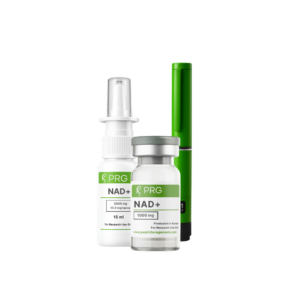
NAD+ 1000mg: What You’re Actually Comparing
NAD+ 1000mg has become one of the most searched formats in the cellular research and longevity space, but listings for it fall into two very different buckets. One is a research-grade vial sold to laboratories for in-vitro study. The other is a clinic treatment, administered intravenously or by injection under practitioner supervision, marketed on wellness and anti-ageing claims. Confusing the two, whether as a buyer or as a website, is where most of the compliance risk in this category sits.
Research use only. Where this guide refers to research-grade NAD+, it is sold for laboratory research, is not a medicine, and is not intended for human or veterinary use. Clinic-administered NAD+ therapy is a separate service delivered by a healthcare provider and is not covered by that label.
What Is NAD+ (Nicotinamide Adenine Dinucleotide)?
NAD+ is a coenzyme present in every living cell, involved in electron transfer, cellular energy metabolism and enzyme signalling. It shifts constantly between its oxidised (NAD+) and reduced (NADH) forms as part of the body’s core energy-transfer system.
Key identifiers commonly listed on research product pages:
- Molecular formula: C21H27N7O14P2
- Molecular weight: approximately 663.43 g/mol
- CAS number: 53-84-9
- Form: lyophilised powder, ≥98% purity typical
- Storage: refrigerated, 2-8°C, protected from heat and light
Cellular NAD+ levels are well documented to decline with age, which is the basis for most of the research and clinical interest in the compound. That’s a genuine area of ongoing study, in metabolism, cellular maintenance and neurological energy demand, but it’s also a claim that gets stretched well beyond the evidence in consumer-facing marketing.
NAD 1000mg: Why This Format Specifically
The NAD 1000mg vial size has become a standard higher-strength option across both research suppliers and clinics, for slightly different reasons:
- For research buyers, a 1000mg vial offers concentration flexibility across larger-scale protocols and reduces the number of vials needed per study, improving batch-to-batch consistency.
- For clinic patients, 1000mg is typically the top tier of a dosing range (clinics commonly offer 250mg, 500mg and 1000mg options), reflecting a longer infusion session and a higher price point.
If you’re comparing prices across sites, check which category you’re actually looking at. A £110 research vial and a £500-£1,000 clinic session are not comparable products, even though both are labelled “NAD+ 1000mg.”
NAD+ Injections 1000mg: Research Vial vs Clinic Service
Searches for NAD+ injections 1000mg span both audiences, so it’s worth being explicit about the difference:
| Research-grade vial | Clinic IV/injection service | |
|---|---|---|
| What you’re buying | Lyophilised powder in a vial | An administered treatment session |
| Who uses it | Laboratories, researchers | Patients, under practitioner care |
| Legal status | Research chemical, not a medicine | Administered healthcare service |
| Typical claims allowed | None — research framing only | Wellness/anti-ageing claims, under clinic oversight |
| Price | Per vial, e.g. ~£100-£150 | Per session, often £300-£1,000+ |
| Where sold | Peptide/research chemical suppliers | Aesthetic clinics, med-spas |
A research supplier that markets NAD+ with clinic-style claims (energy, focus, anti-ageing, “boosts mitochondria”) is overstepping what’s appropriate for a research-only product, and it’s a pattern worth avoiding on your own site if you’re selling to the research market.
How to Choose a Research-Grade NAD+ 1000mg Supplier
If you’re buying for laboratory use, check for:
- Batch-specific COA confirming HPLC purity (≥98% is standard) and identity
- Correct chemical identifiers — formula, molecular weight and CAS number should match published values
- Cold-chain shipping — NAD+ is refrigerated stock, so packaging and delivery speed matter more than with room-temperature peptides
- Research-only labelling, with no dosing or health claims
- Transparent stock levels and next-day UK dispatch
NAD+ 1000mg in UK: Sourcing Considerations
Buying NAD+ 1000mg in UK from a domestic supplier avoids the cold-chain risk of international shipping, since NAD+ is less stable at room temperature than most lyophilised peptides. Look for:
- Refrigerated or insulated packaging appropriate for a temperature-sensitive product
- Tracked, fast dispatch (same-day or next-day where possible)
- A registered UK business with clear contact details
- Published storage guidance matching what’s on the COA
Storage and Handling
- Store refrigerated at 2-8°C
- Protect from excessive heat and direct light
- Avoid repeated freeze-thaw cycles after reconstitution
- Follow your own lab’s validated handling procedures rather than generic instructions
Frequently Asked Questions
Is research-grade NAD+ the same product as a clinic NAD+ IV drip?
No. One is an unformulated research chemical for laboratory use; the other is a formulated, practitioner-administered treatment. Don’t assume pricing or quality claims transfer between them.
Why is NAD+ stored differently to most research peptides?
It’s generally supplied for refrigerated (2-8°C) storage rather than frozen, and is more sensitive to heat and light, so shipping speed and packaging matter more.
Can I buy NAD+ 1000mg for personal use?
Research-grade vials are sold strictly for laboratory research. If you’re looking for a health or wellness treatment, that’s a separate clinic service delivered by a practitioner, not a research product.
What should come with a research order?
A labelled vial with a batch number, and access to that batch’s COA confirming purity and identity.
Final Thoughts
NAD+ 1000mg sits at the intersection of two different markets. If you’re a researcher, prioritise documentation, cold-chain handling and honest labelling over price. If you’re comparing clinic treatments, look at practitioner credentials, session structure and pricing transparency instead, since none of that applies to a research vial.
Reviews
There are no reviews yet.